


What the property still needs doing, out of the photos you already have

Your photographer walks through the whole house and comes back with two hundred photos. You use eight. In the other hundred and ninety two sits everything you need to defend your asking price.

Thephotographeralreadywalkedthroughthewholehouse.Thepityisthatonlytheniceroomsendupbeingused.

What do you get out of the intake photos?

A property analysis reads the photos taken during an ordinary intake and turns them into an argument: what the state of each room actually shows, what would lift the value and roughly what that costs, and what the energy label means for the buyer who has to renovate to label D within five years. Nivora delivers it as a report your agent takes into the intake meeting. It is not a valuation and it is not an energy certificate, because both of those are regulated work that belongs with somebody else. It is the reasoning underneath the price you are going to defend, with the photo it rests on shown beside every statement.

The hard part of an intake is never the number, it is the conversation. A seller who has lived somewhere for thirty years has a figure in their head, and an agent who cannot show where a lower one comes from either loses the instruction or takes it at a price that will not sell.

So the report is built to be shown. Per room what the images support, what is worth doing before it goes online and what is not worth doing at all, and the renovation obligation set out in years and in an order of cost rather than left as a letter on a certificate.

What those photos are used for today

The photos are shot for the listing, so eight of them get used and the rest sit in a folder. The single-glazed window, the boiler with a date on it, the roof space with nothing under the tiles: all of it was photographed, and none of it makes it into the conversation about the price.

What is worth doing before a property goes online is guesswork per agent. One says paint the hall, another says leave it, and neither of them can show what it does. Meanwhile a seller spends four thousand on a bathroom that adds nothing and skips the two hundred euro job that would have.

And then there is the label. Since the renovation obligation came in, a buyer looking at a home with label E or F is really asking one question: what do I have to do, by when, and what does it cost. If the agent has no answer ready, the candidate either walks away or bids as though the worst case is true.

How we go about it

Everything comes back to a photo

Every statement in the report carries the image it rests on. Not a score and not a grade, but a sentence and the frame it came from, so the agent can hold it up in front of a seller. Where the photos do not support something, the report says so instead of guessing.

Worth doing, and not worth doing

The list runs both ways, and the second half matters more. What lifts the value, roughly what it costs, and what is simply not going to earn itself back on this property in this street. An agent who can talk a seller out of a bathroom has more credit than one who agrees with everything.

Not a valuation and not a certificate

We do not set a price and we do not issue an energy certificate, because in Flanders both belong to somebody who is qualified and liable for it. What we deliver is the reasoning that sits underneath your own judgement, and your judgement stays yours.

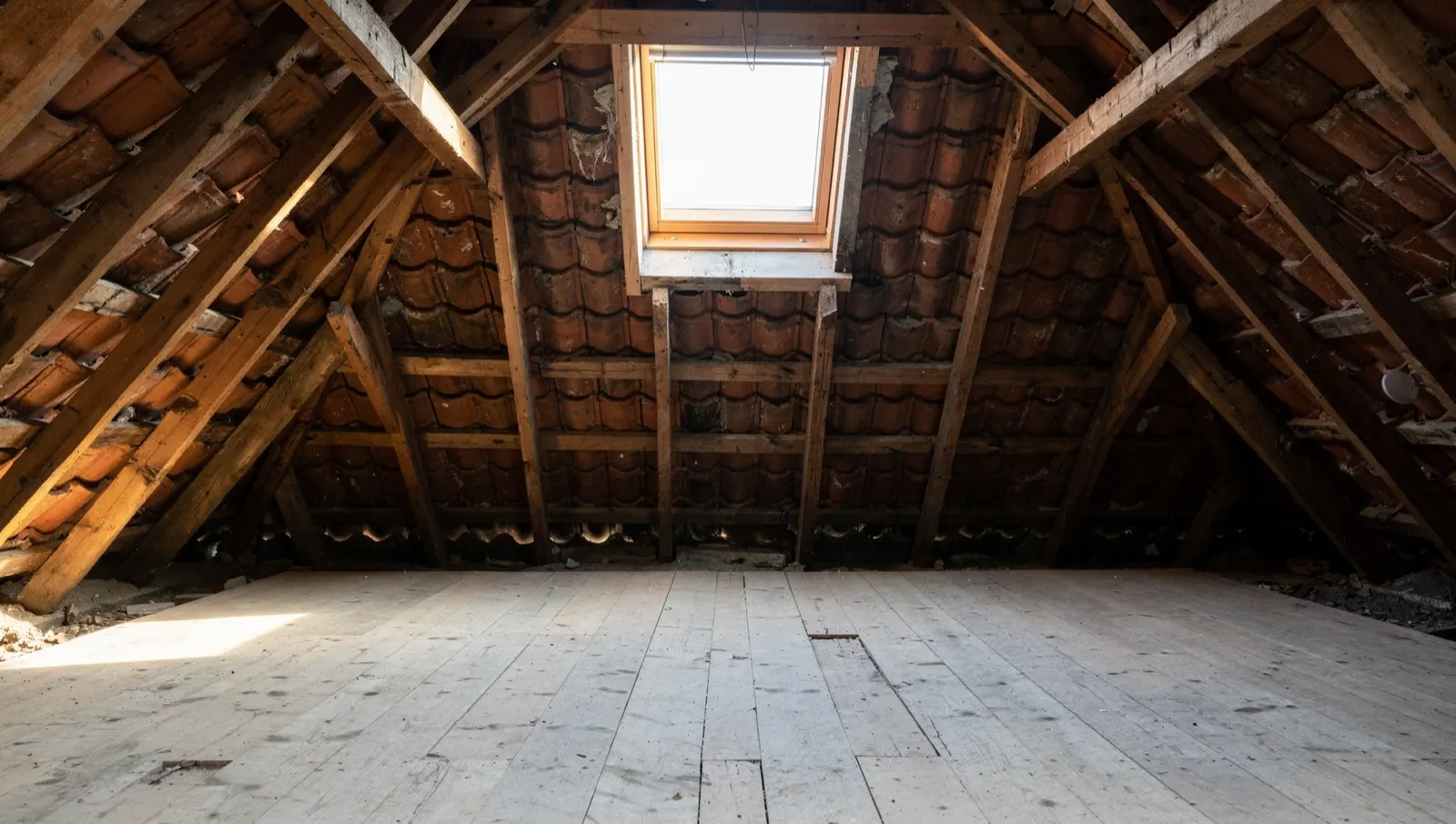
A roof space with the underside of the tiles visible between bare rafters, no insulation

What a photo gives you

Two frames out of an ordinary intake, and what ends up in the report because of them. Illustrative examples of the kind of reading this does, not results from a client file.

The roof space, photographed from the hatch

Today
One frame among two hundred, kept because the estate agent wanted to show the attic could be converted. It never comes up again.
With a system
The report notes that the underside of the tiles is visible with nothing between the rafters, puts the roof insulation on the list with an order of cost, and links it to the label: this is usually the single cheapest step towards D, and it is the one a buyer can do without moving out.
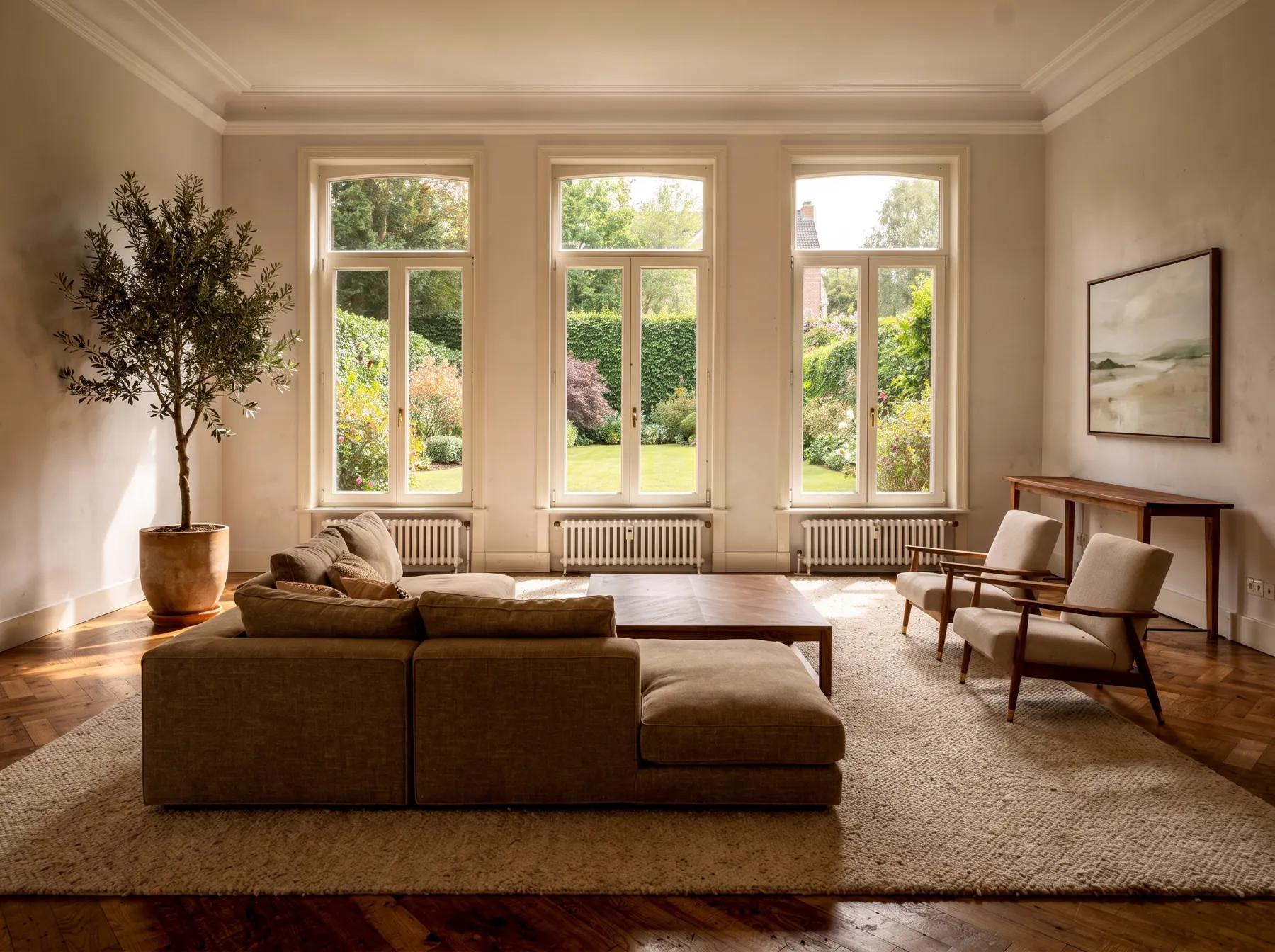
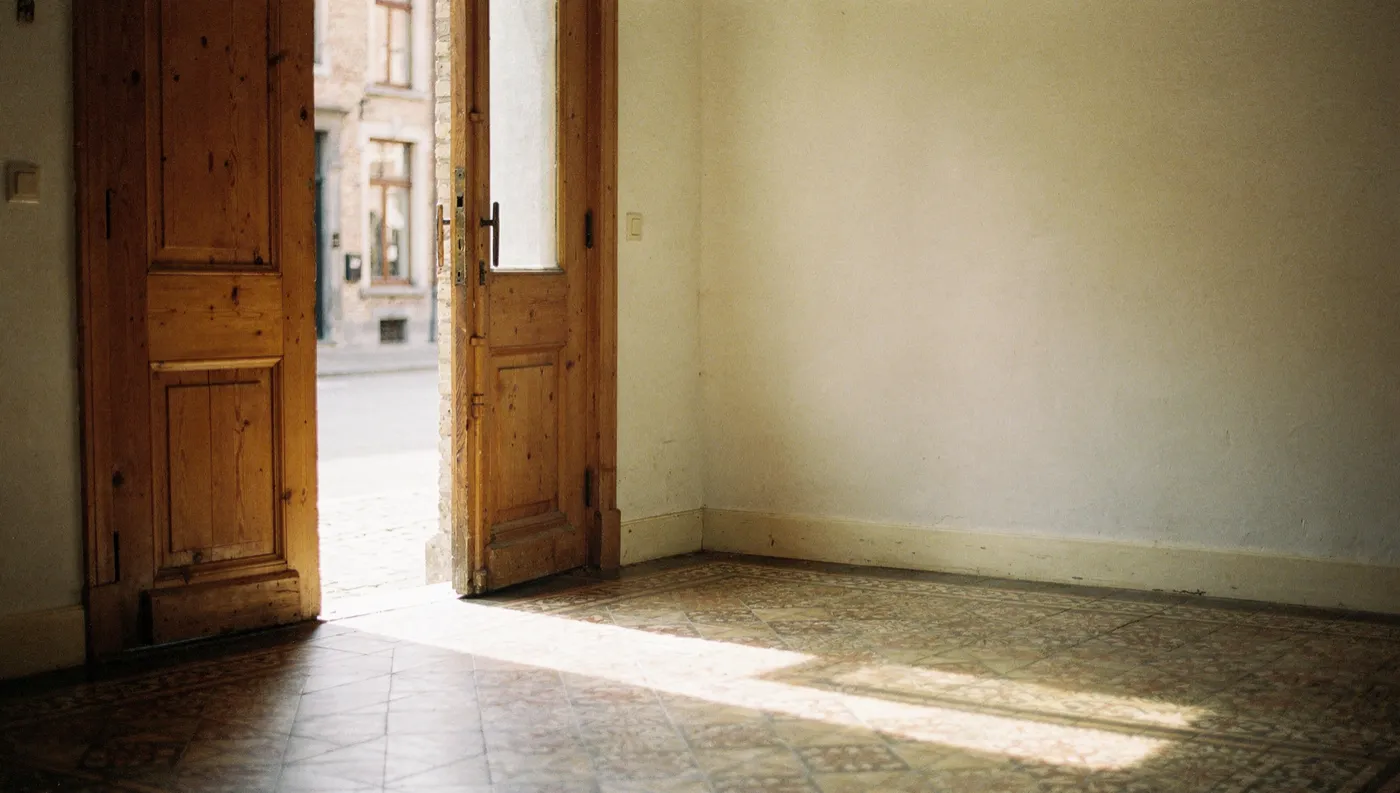
The back room with the steel windows

Today
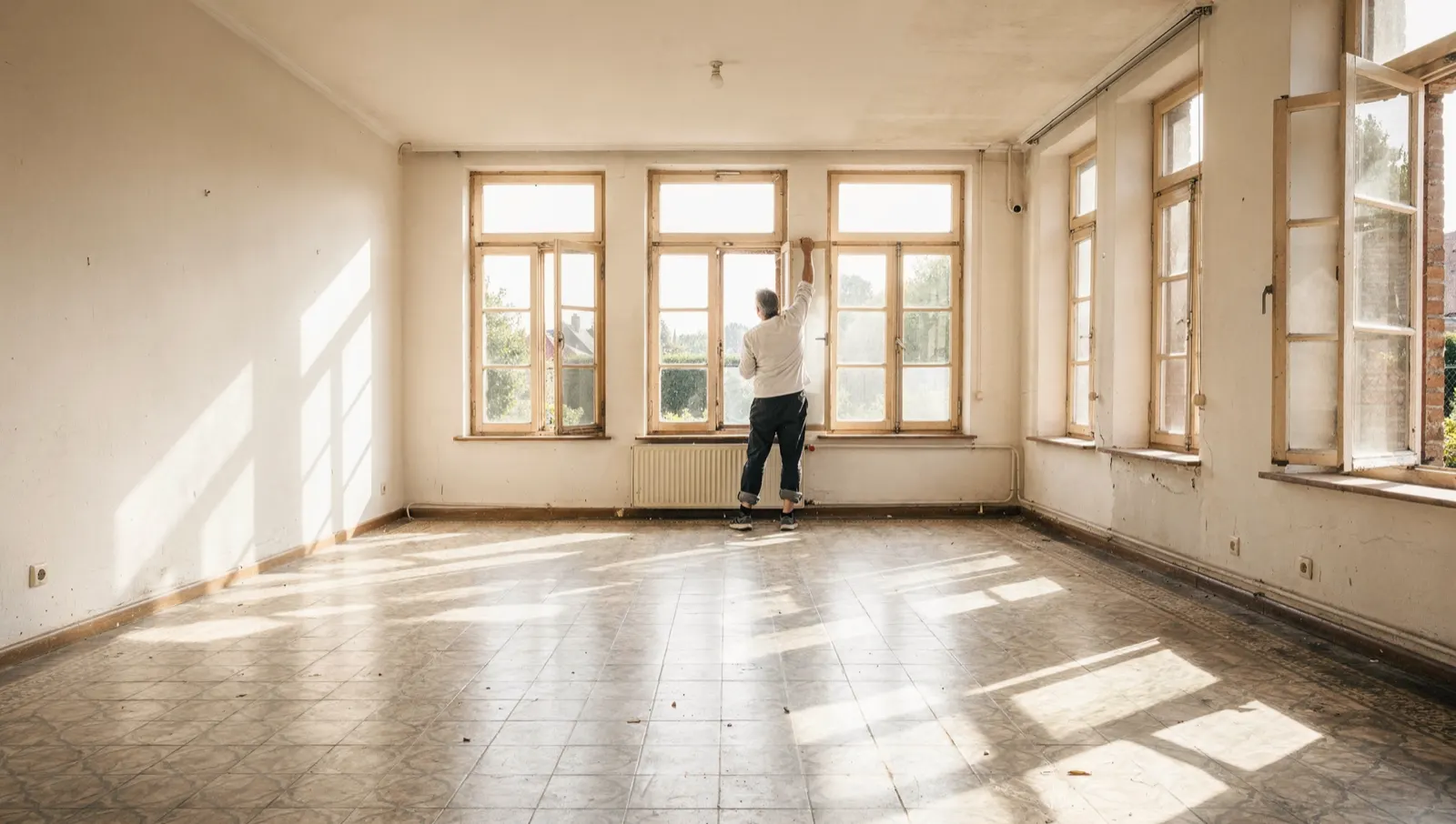
Photographed for the light, used in the listing as the second image because it looks generous.
With a system
The report reads the single glazing in the frames, puts it beside the year of construction from the file, and marks it as the item that will come back at every viewing. It also says what not to do: replacing these before sale rarely earns itself back, and it is worth more as a negotiating point you have already priced.

Does this sound familiar?

If two or more of these land, there is almost certainly something to gain.

  • Two hundred photos get taken and eight get used
  • What a seller should do before going online differs per agent in your office
  • You lose instructions because you cannot show where your price comes from
  • A candidate bids low on a label E house because nobody told them what it costs

What we are not going to claim

We are not going to say we value property. Rockestate, Realo and the banks' own models have done automated valuations in Belgium for years, and a sworn valuation is regulated work with a name and a liability attached. What we build sits before all of that: the reasoning, not the number.

We are not going to say a photo can see everything. Damp behind a wall, a beam that has gone, a foundation: none of that is in an image and the report says nothing about it. Anything that needs opening up needs someone to open it up.

And we are not going to give you a renovation quote. The orders of cost are ranges to have a conversation with, not a price. The moment a seller treats one as a quote you have a problem, so the report says on every line what it is.

Can this work for us?

Describe the task you keep seeing come back. You get a straight answer on whether it is worth automating, and where your existing software already covers it.

One question, one straight answer. No call, no demo.

Stop worrying about AI

We weigh up what AI can genuinely do for a business like yours, cut through the noise, and keep you posted on what actually matters. You stay in the loop, without the hype.

One short email, now and then. No spam, unsubscribe anytime.

Questions, answered

The things people usually want to know before they reach out.

No, and that is a line we hold rather than a limitation we regret. A valuation in Belgium is regulated work with a qualified name and a liability behind it. What we deliver is the reasoning underneath a price: what the images support per room, what would lift the value, and what the label means in years and in cost. You set the price, exactly as you do now.

Still have a question?

Visit the Help Center

Send us one set of intake photos

The full set from one property, the boring frames included, with the year of construction and the label out of the file. You get the report back the way we would build it, so you can lay it next to what your own agent concluded at that intake.