AI automation for loss adjusters, from instruction to report

A hailstorm on Saturday afternoon and by Monday there are eighty instructions in the mailbox, each with photos, each with an insurer waiting for a report. We first look at what happens between the site visit and the report going out, and then take over the part that is the same every time.

Anexpertispaidforwhatheseesonsite.Notfortypingitoutthreetimesafterwards.

What does Nivora Works do for a loss adjuster?

Nivora Works is a software and AI studio in Bruges that takes over the paperwork around a claim for expert practices: turning the instruction into a file that is ready before you get in the car, sorting the two hundred photos of a site visit by room and by damage item, and drafting a first version of the report from your own notes in your own house format. The valuation stays yours. What we build never puts a figure on damage and never decides on cover: it gathers, it sorts and it drafts, and the expert who signs is the expert who has always signed.

The trade is bursty and that is the whole problem. Between two storms there is time, and in the week after one there is none. Everything we build is measured against that week, because something that works in March and falls over on the Monday after a hailstorm has not solved anything.

We connect to how the instruction reaches you, whether that is the insurer's portal, a shared mailbox or both at once. Your own file package stays where it is. We take the retyping out from between them.

Where the hours go in this trade

The instruction arrives as an email with an attachment and a policy number, and before you get in the car somebody has retyped the address, the policy number, the date of loss and the details of the insured into your own file. Half of that was already in the attachment. On a normal week that is fifteen minutes a file, and in the week after a storm it is a full day of somebody who should have been out doing site visits.

You come back from a site visit with two hundred photos and a page of notes. The photos are numbered in the order you happened to take them: three of the ceiling, one of the meter cupboard, seven of a floor from every angle because you were not sure yet which one would show it best. Sorting those by room and by damage item is an evening of work, and it is the part that no client ever sees.

The report itself is largely the same report. The heading, the description of the building, the passage on the cause, the way you set out what falls inside and outside the cover: your office has written that a thousand times in the same words. What differs is the middle, and that is precisely the part that goes fastest. So the typing takes longer than the thinking.

How we go about it

Come in on a busy week

We do not want to see a quiet Tuesday, we want the week after something happened. Who assigns the files, where the photos land, who chases the contractor for a quote, what gets postponed when eighty instructions come in at once: none of that is written down, and it is exactly what determines what is worth building.

We do not value damage

What a loss is worth, what falls under the policy and what does not, and what depreciation applies: that is your professional judgement and your liability, and it does not transfer to a system. So we stop one step before it. We put the file, the photos and the figures out of the quotes side by side, and you decide. Every figure carries the document it came from.

Sensitive files stay in the office

A claim involving injury carries medical records, a fire file often carries a police report, and both carry the identity details of people who never asked to be in a file. For those we run the model on hardware in your own office so nothing leaves the building. For the rest, inside Europe with a data processing agreement on paper.

Design work in progress on a screen, part of building software to order

What we can automate in an expert practice

Four things out of this trade, not a general list. We build them one at a time, and it usually starts with the second one because that is the evening work.

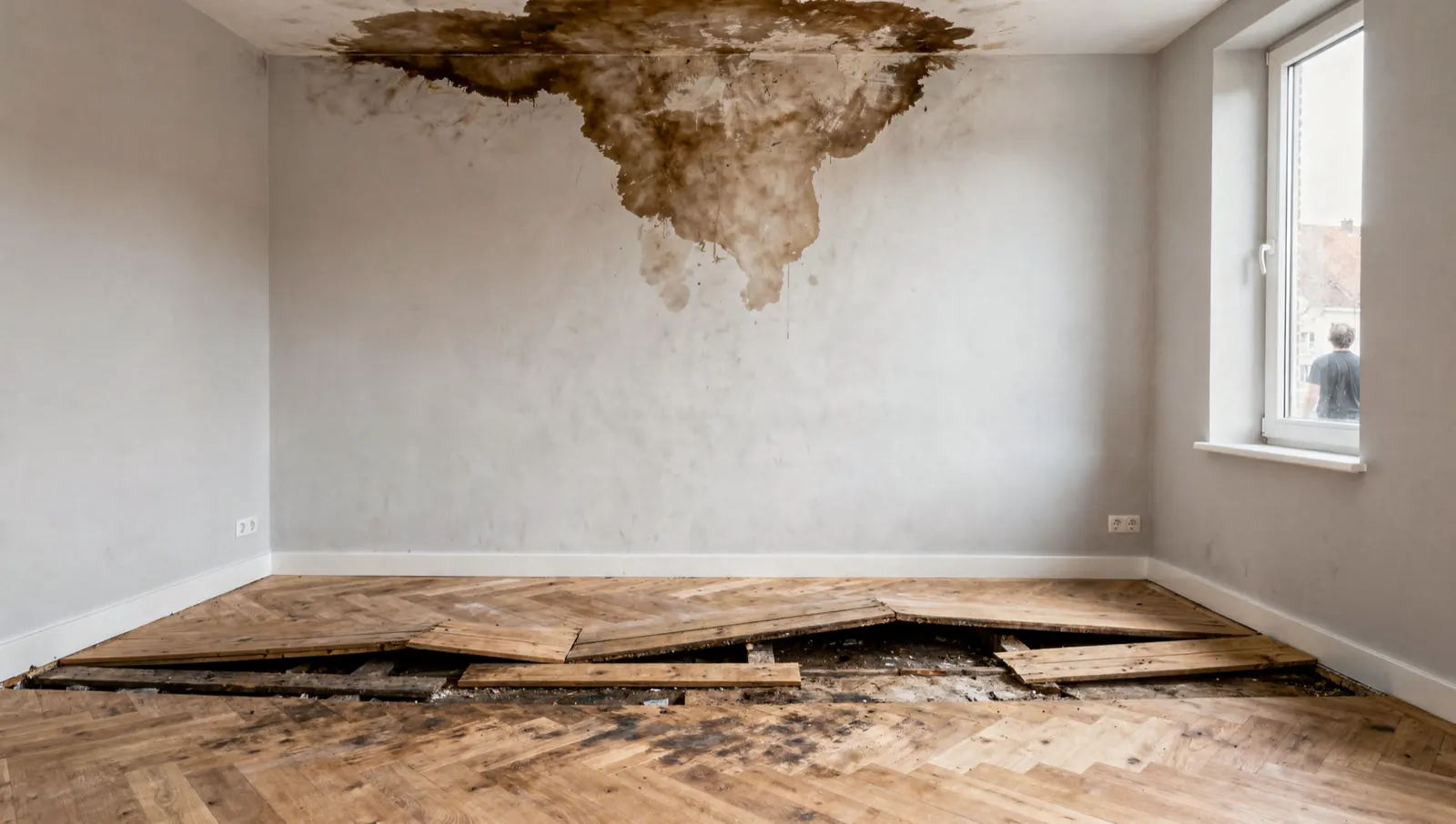
An empty room after a water leak, a stain across the ceiling and lifted parquet

Ready before you go

The instruction from the insurer comes in and the file is ready: address, policy number, cover, date of loss, the details of the insured and whatever the insurer already sent along. Anything the mail does not contain is listed as missing rather than left blank. You get in the car with a file instead of with an email.
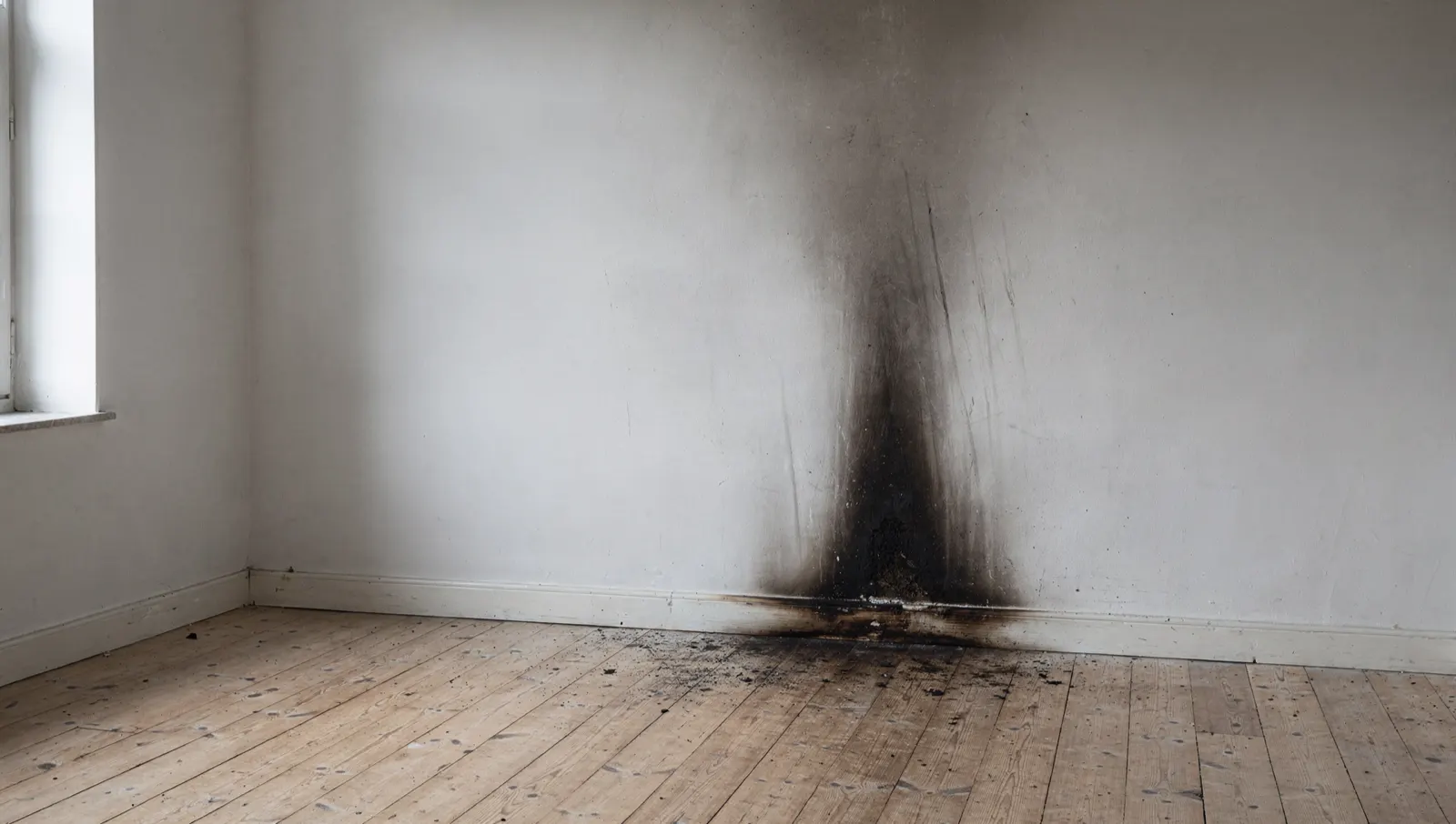
A room after a small fire, soot fanned up one plastered wall above a scorched skirting

Photos per damage item

Two hundred photos come back sorted per room and per damage item, in the order your report runs in, with the duplicates and the seven shots of the same floor put together. What has no photo at all is flagged, because that is what you find out at the wrong moment. You reorder what you want reordered, which is a great deal less than reordering all of them.

A wooden paper tray heaped with plain sheets beside a keyboard in morning light

A first draft report

From your notes, the photos and the quotes comes a first version in your own house format, with the standing passages already in place and the figures from the quotes copied literally with the source shown next to each one. Nothing is valued and nothing is decided about cover: those parts stay open for you to fill. You rewrite the middle, which is the part that was worth your time anyway.

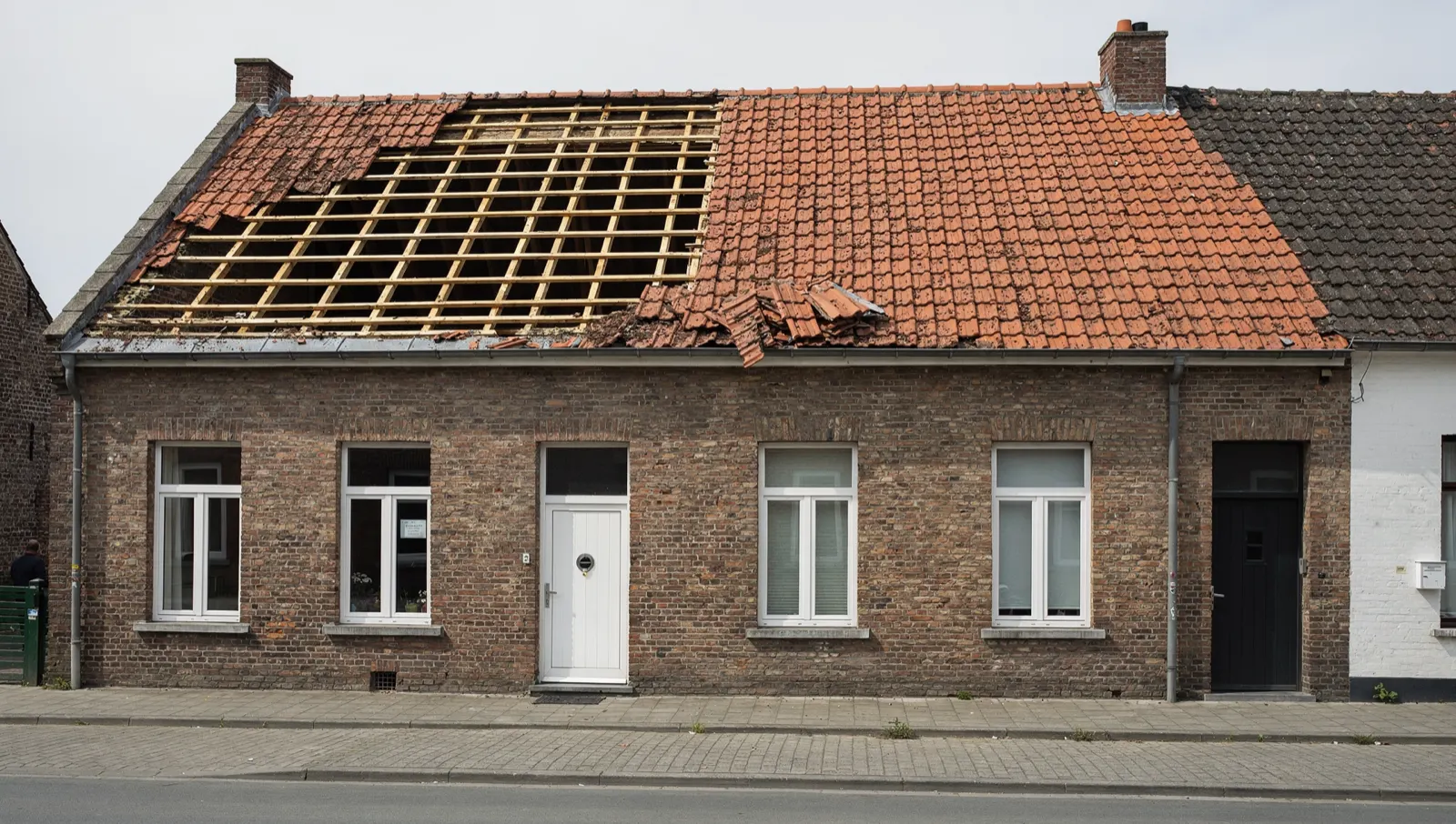
The roof of a Flemish brick house after a storm, tiles torn away and battens exposed

The week after a storm

Eighty instructions in two days, and the question is not who is best but who is free and who is nearest. You see per file how long it has been open, which insurer expects what by when, and which four files are stuck on a quote that never arrived. Assigning stays a human decision, and it stays yours.

Does this sound familiar?

If two or more of these land, there is almost certainly something to gain.

  • The Monday after a storm nobody gets round to writing reports
  • You sort the photos of a site visit in the evening, at home
  • The same three paragraphs get retyped in every report
  • A file gets chased because a quote never arrived and nobody was watching

What we are not going to claim

We are not going to say expert practices work on paper. Most insurers have had their own portal for years, instructions come in digitally, and there are packages that hold a claim file together perfectly well. What we are after is the part between two systems that a person is currently bridging by retyping.

We are not going to say a model can assess damage from a photo. There are parties selling exactly that, mostly for motor claims where the damage patterns are standard and the parts have a price list. A wet ceiling in a house from 1962 is not that, and neither is the question of whether the water came from the roof or from a pipe. That judgement is why the insurer instructs you and not a photo app.

And we are not going to quote you a percentage. We have no baseline measurement at your practice, so a figure we gave you up front would be invented. What we do instead is run one piece alongside your own way of working for two weeks, in a real week, so you can see for yourself what is left.

Can this work for us?

Describe the task you keep seeing come back. You get a straight answer on whether it is worth automating, and where your existing software already covers it.

One question, one straight answer. No call, no demo.

Stop worrying about AI

We weigh up what AI can genuinely do for a business like yours, cut through the noise, and keep you posted on what actually matters. You stay in the loop, without the hype.

One short email, now and then. No spam, unsubscribe anytime.

Questions, answered

The things people usually want to know before they reach out.

No. Whatever holds your files keeps holding them, and the insurer portals stay exactly as they are. What we build reads what comes in and puts the result ready in the place your people already look. If a portal releases nothing at all we say so up front, and then we come in through the mailbox instead.

Still have a question?

Visit the Help Center

Send us one week after a storm

Take the instructions and photos of a single busy week, anonymised, exactly as they came in. We will put the files together the way we would build it, and you can lay that next to what your own people did that week.