AI automation for contractors, from site to invoice

Your men knock off at half four, and then your second job starts: the delivery notes still lying in the van, the extra work the client asked for on Thursday that nobody has signed, the quote that has to be in tomorrow. We make sure that what you say and photograph on site ends up on paper by itself, on the right job and with a signature under it.

Acontractorrarelylosesmoneyonthesite.HelosesitontheFridayeveningwhenheistootiredtowriteitdown.

What is AI automation for a building contractor?

AI automation for a building contractor means the paperwork around a job writes itself out of what already exists: a photo, a spoken note, a PDF drawing, a delivery note left in the van. Nivora is a software and AI studio in Brugge that builds this to fit one contracting business, rather than selling a ready-made package for it. It sits next to what you already use today, whether that is Bouwsoft, KPD or Exact voor Bouw with Octopus at your bookkeeper, or simply a folder of spreadsheets and a WhatsApp group per site. It does not become an eleventh separate programme your foreman has to click into.

It starts at the moment itself. The client points at a wall and says a door has to go in after all, you say you will price it up, and meanwhile the supplier rings about tomorrow's delivery. On a fixed-price contract for a building, you will not get that extra work through in an argument without a written and signed agreement. What we build lets you speak that agreement in thirty seconds on site, with the photo attached, so that out of it comes a variation note with a price that the client signs there and then on your screen.

And it carries through to your money. An interim valuation is approved by the architect, but paid by the client, and on a house build that money comes from the bank, which only releases a stage payment against that approved valuation. A valuation that sits for two weeks is your money standing still. On private house building you invoice by stage anyway, foundations, shell wind and watertight, and so on, not with a percentage against each item the way public works run.

Where the time and the margin run out

Most of the money is lost between the moment something is agreed and the moment it is signed. The client asks on site for a wider threshold, you nod while the pump is running and the standing time is charged by the started hour, and three weeks later nobody can say whether that was in the price. The two extra sockets he mentioned at the pre-start meeting with the electrician are written down nowhere either.

Putting a quote together costs evenings. You sit with the specification open, count the square metres of facing brick off the bill of quantities, ring the roofer for a price that is valid for thirty days and therefore has to be done again as soon as the job shifts, and by eleven you are typing it all into a document you will have to change again next week. Material prices keep moving in the meantime, and whether your price revision formula catches that only shows at the first valuation.

And then there is the work that genuinely got done and never reached an invoice or a claim. The soil taken off site with the technical report and the disposal paperwork nobody had priced in, a pallet of blocks you fetched yourself, frost days that were never declared to the RVA, a day the subcontractor lost because the screed was not dry. On one job you do not feel it, over a year you do.

Where we plug in

A day on site first

Before anything gets built, we come and watch how it actually runs: who keeps the delivery notes, who fills in the day book of works, where the drawings live, who puts the post-intervention safety file together and who makes sure the 6 percent VAT statement appears on the right invoices, which since 2022 goes on the invoice itself instead of on a separate certificate. A contractor who mostly renovates in the old town works differently from one putting up shells on a new estate, and that difference decides what is worth automating.

Small things that actually get opened on site

We would rather build something small that the man with dirty hands really uses than something large that stops after three weeks. Usually it becomes one button on the phone, big type and a single action, because nobody fills in a form wearing work gloves.

Your numbers stay with you

Where we can, the model runs on your own hardware or on European servers, because your prices carry your margins, your subcontractors and your supplier discounts. That is exactly the kind of information you do not want appearing on a screen at the contractor two streets away.

Design work in progress on a screen, part of building software to order

What we can automate in a contracting business

Four examples, not a catalogue. Each one is something that only happens in construction, and each one is still done today with a biro on the back of a docket. The declaration of works and the attendance registration through Checkinatwerk belong in the same list, a weekly burden that a machine watches perfectly well. It all comes back to the same thing: money that is already gone before you have seen it.

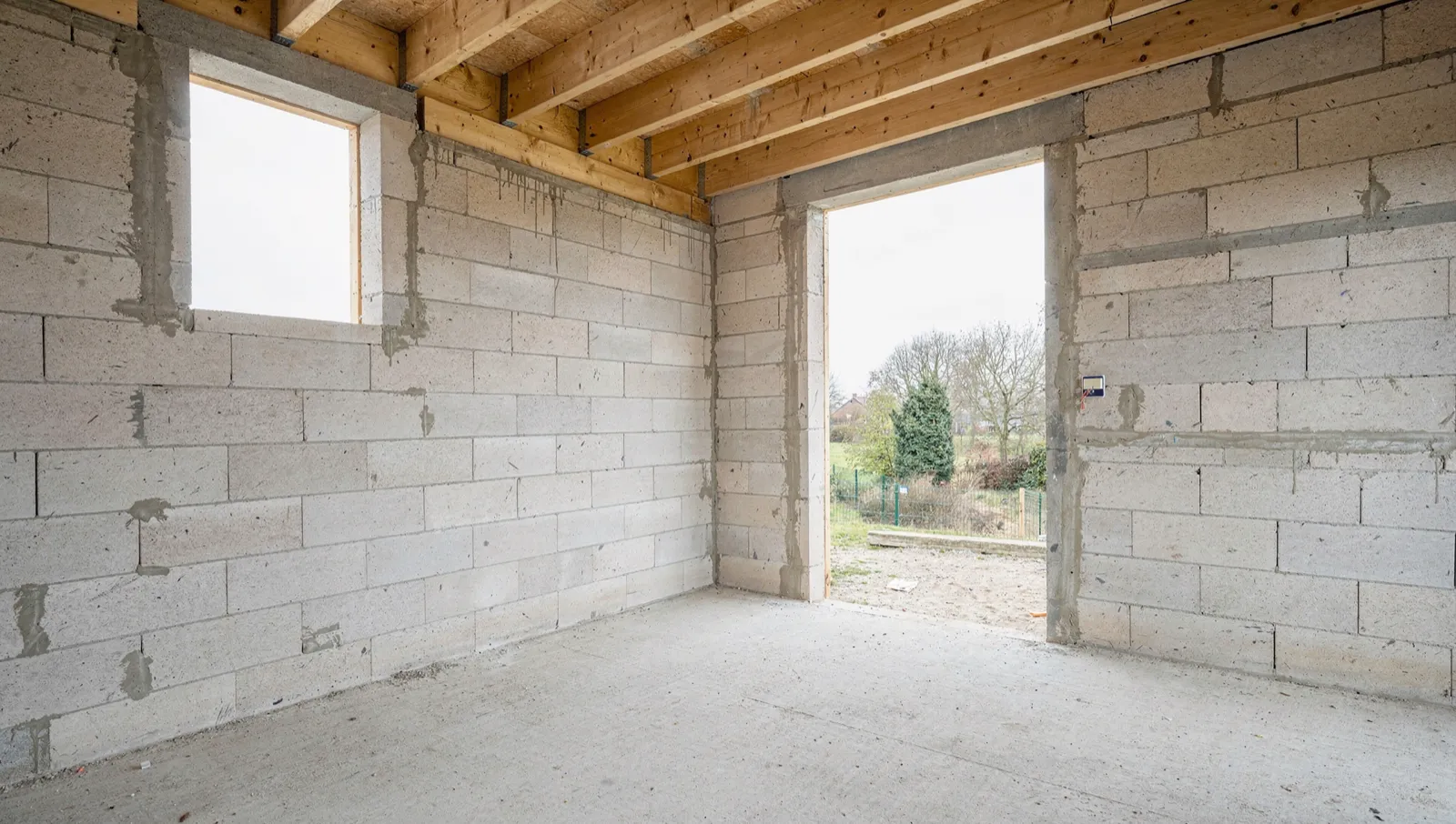
A building site at shell stage with daylight through the openings

Signed variations

You say it into your phone on site, out comes a variation note with a price, and the client signs it there and then on your screen. On a fixed-price contract for a building, that signed sheet is the difference between extra work you get paid for and an argument you lose. The note attaches itself straight away to the right job and the right file.

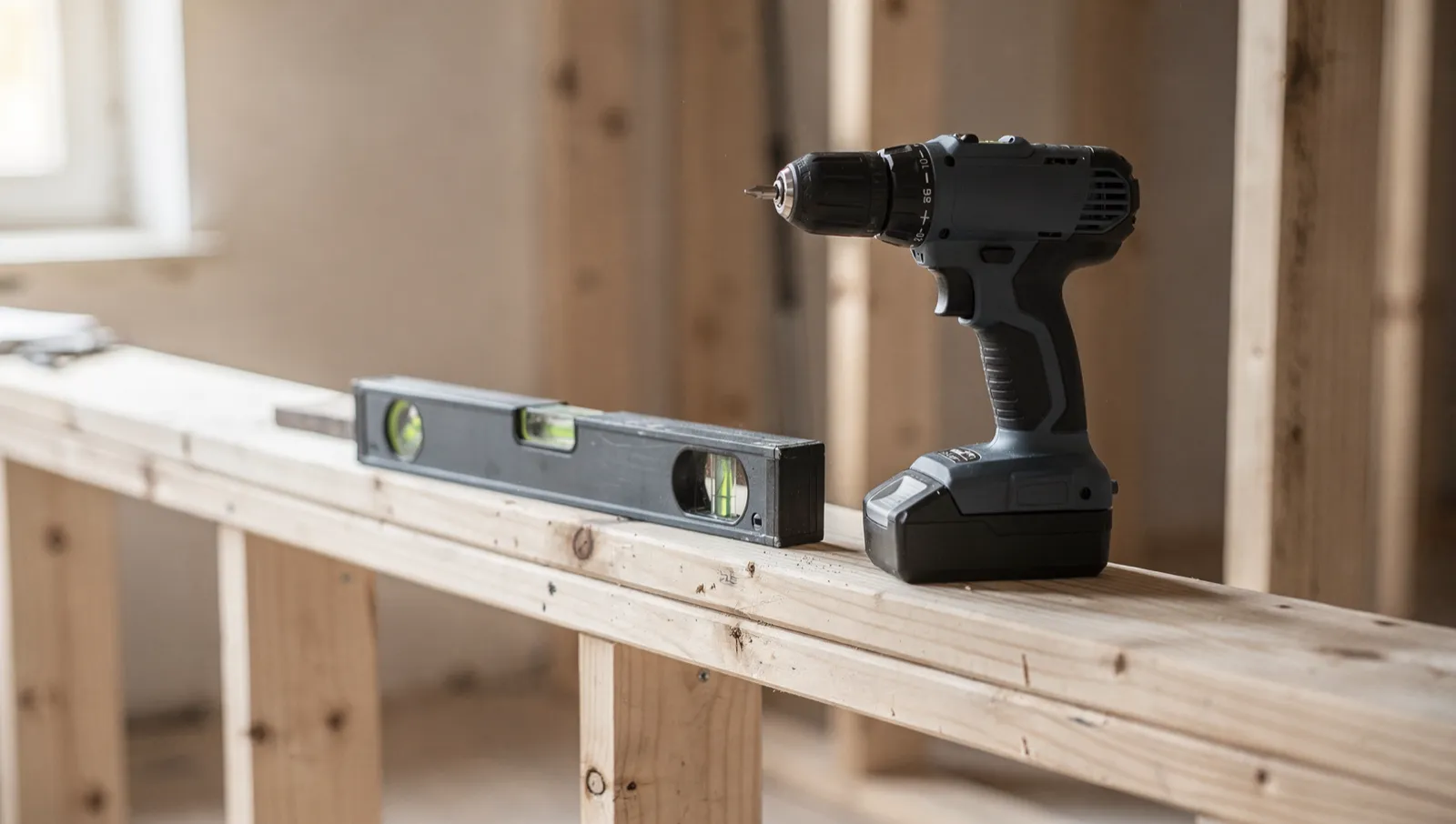
A phone in a work glove on a building site

Your own site diary

The site report comes from the architect, who chairs the site meeting, and you then have a set number of days to raise remarks before it counts as accepted. Out of your photos and voice memos comes your own site diary, plus a prepared reply to the architect's site report, so you can answer within the deadline instead of letting it pass. The snagging list sits with it, including who is in default.

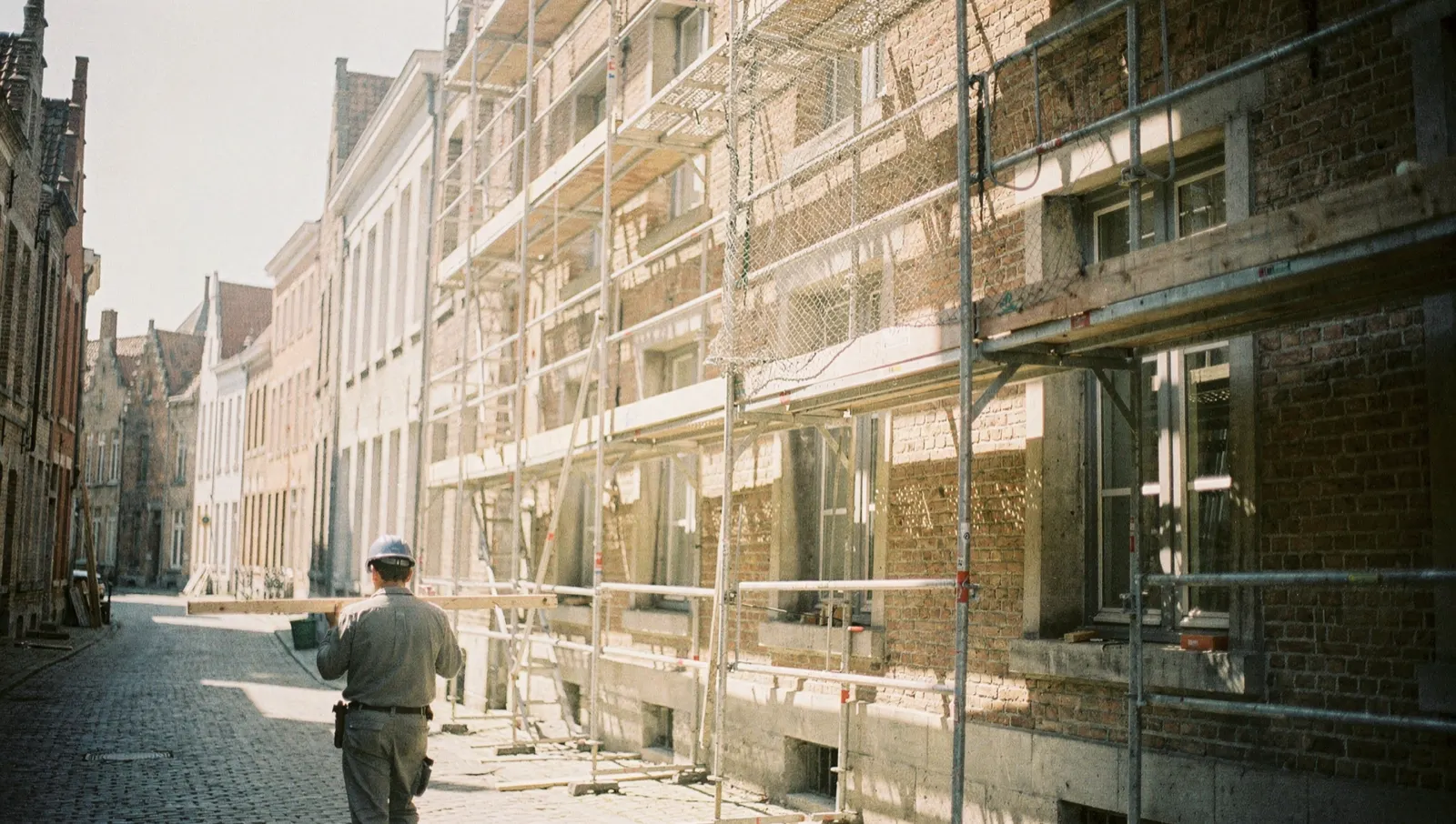
A building site with scaffolding against a facade

Before you pay

The merchant's delivery note gives the quantities and the items, the amounts come from your price agreement and your discount percentage off the catalogue value, and that is where things get shaved. We lay the order note, the price agreement and the purchase invoice side by side and hang it all on the right job, so a discount that has quietly slipped shows itself before you pay. For a subcontractor the check on social and tax debts rides along, because without that withholding you are on the hook for his debts.

A rolled building drawing and a tape measure on a wooden table

Frost and lost days

It is rarely plain rain that stops the shell, it is frost, wind for the crane, and rain on the groundworks, where in clay one day is already enough. From the figures of the KMI or the approved weather station named in your contract, together with your own programme, come two things: the declaration of temporary unemployment for bad weather to the RVA, per man and per day within the deadline, and the registered notice to the architect and the client for the extension of the completion date.

Does this sound familiar?

If two or more of these land, there is almost certainly something to gain.

  • Your extra work is signed nowhere, it lives in WhatsApp and in your head
  • Putting a quote together still costs you two evenings a time
  • Checkinatwerk and the checks on your subcontractors are done by hand, every week again
  • You only know at handover whether a job made anything

What we are not going to claim

We are not going to say there is no software for contractors yet. Bouwsoft in Kortrijk, KPD, Exact voor Bouw (formerly Bouw7), Teamleader and Odoo have sold this for years, and for a firm that mainly needs tidy quotes, hours and invoices, a package like that is often the better and the cheaper choice.

We are not going to say we invented the digital site report. PlanRadar and ArchiSnapper, the latter out of Ghent and now part of Deltek, have long let you put photos, defects and snagging lists straight onto the drawing, and 12Build does the same for sending enquiries out to subcontractors.

And we are not going to say a machine reads a construction drawing without error. Kreo, Bluebeam Revu, Autodesk Takeoff and Togal.AI have been measuring off PDF drawings for years, and as with them, a person still has to go over the take-off before a price is put on it. One misread scale on an elevation costs you a job.

Can this work for us?

Describe the task you keep seeing come back. You get a straight answer on whether it is worth automating, and where your existing software already covers it.

One question, one straight answer. No call, no demo.

Stop worrying about AI

We weigh up what AI can genuinely do for a business like yours, cut through the noise, and keep you posted on what actually matters. You stay in the loop, without the hype.

One short email, now and then. No spam, unsubscribe anytime.

Questions, answered

The things people usually want to know before they reach out.

No, and usually we advise against it. What we build sits beside or on top of it: the extra work you speak into your phone on site and have signed simply lands as a line in your existing job file, and your bookkeeper carries on in Octopus or in whatever he uses today. If this turns into an eleventh separate programme your foreman has to click into, it is rightly a no before the price even comes up, and then we have not done our job properly.

Still have a question?

Visit the Help Center

Send us one job

Take a job you have just handed over: the quote, the extra work as it was written down or not written down at all, and the hours your men actually worked along with the purchase invoices booked against it. We go through it ourselves and tell you where the money was left behind and which part of that is worth automating. If there is nothing in it, we say so too, and you will have lost an afternoon instead of a budget.